


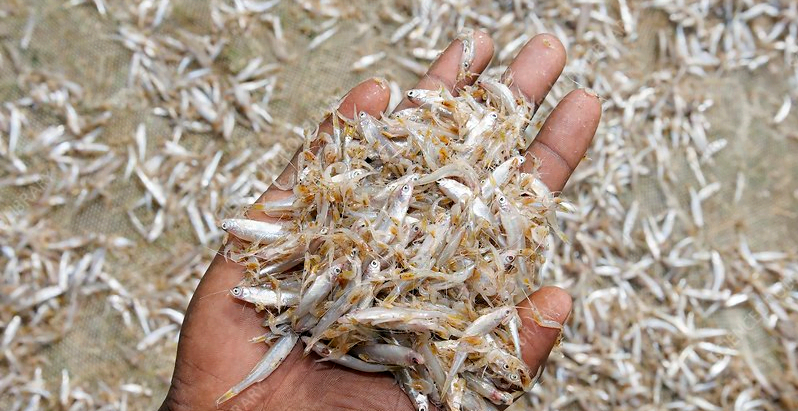
One of the most nutritious meals accessible locally is Silver Fish, often known as mukene / omena. Lake Victoria is its primary source.
Mukene is popular among the various cultures present in the East African country, and it is not only high in nutrients but may help lessen certain risk factors for a variety of ailments.

Nutritional facts of Mukene (Silver Fish)
- Calories (kcal) 210
- Fat 10 g
- Saturated fat 2.2 g
- Polyunsaturated fats 2.6 g
- Monounsaturated fats 3.8 g
- Cholesterol 85 mg
- Sodium 3.668 mg
- Potassium 544 mg
- Total Carbohydrate 0 g
- Food fiber 0 g
- Sugar 0 g
- Protein 29 g
- Vitamin A 40 IU
- Vitamin C 0 mg
- Vitamin D 69 IU
- Vitamin B6 0.2 mg
- Vitamin B12 0.9 mg
- Calcium 232 mg
- Iron 4.6 mg
- Magnesium 69 mg
Benefits of Consuming Mukene

- It boosts brain function.
Mukene includes essential phosphorus and protein that improve brain function by stimulating brain nerves to maintain normal functioning, hence increasing intellect, particularly in youngsters under the age of ten.
- It is beneficial to heart health.
Mukene includes polyunsaturated fats, which help to lower cholesterol levels, which can lead to heart attacks and strokes. These fatty acids are also necessary for improved neuron function and muscular coordination.

- Assists in the formation of red blood cells
Silver Fish is high in vitamin B12, which is required for red blood cell production and central nervous system health.
- It is high in potassium.
Mukene is notably high in potassium, a key nutrient involved in heartbeat rhythm, muscle and nerve function, and is required for protein synthesis and glucose metabolism.
- It aids in the treatment of disorders such as cancer.
The amount of calcium and Vitamin D in Silver Fish exceeds the nutritional values seen in other fish. Calcium, in addition to helping you keep strong bones and warm muscles when combined with Vitamin D, aids in the prevention of cancer, diabetes, and high blood pressure.
- It stimulates growth and development.
Silver Fish is an excellent source of iron, a mineral required in the production of hemoglobin, which delivers oxygen to tissues. Your body also requires iron to produce erythropoietin hormone, which acts as a regulator for hepcidin, the homeostatic hormone that regulates plasma iron levels and total body iron.