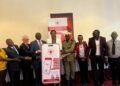

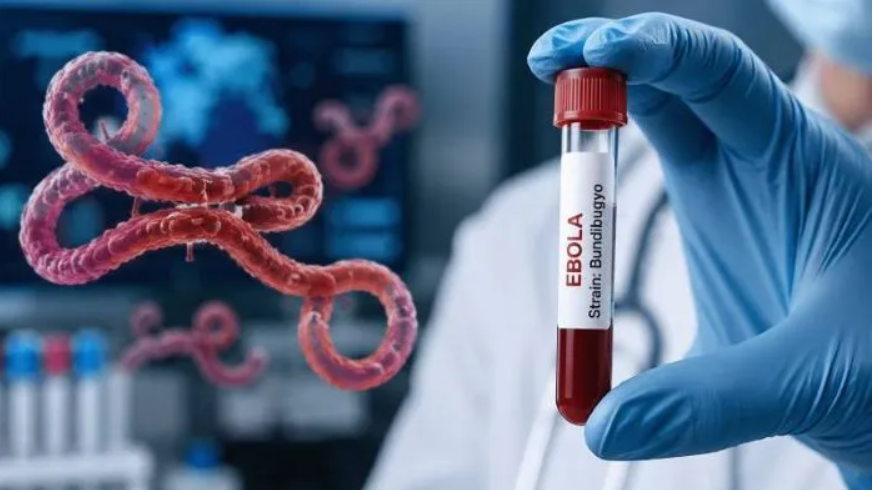
The Africa Centres for Disease Control and Prevention has officially declared the ongoing Bundibugyo Ebola outbreak affecting the Democratic Republic of the Congo and Uganda a Public Health Emergency of Continental Security (PHECS).
The declaration was made following recommendations from the Emergency Consultative Group (ECG), which assessed the growing risks linked to the outbreak and advised urgent continental action. The move gives Africa CDC the authority to coordinate and support emergency response efforts across affected countries.

According to the Africa CDC, the decision followed consultations with senior African Union officials, regional leaders, and health experts, including African Union Commission Chairperson Mahmoud Ali Youssouf and South African President Cyril Ramaphosa, who serves as the AU Champion for Pandemic Preparedness and Response.

As of May 18, 2026, approximately 395 suspected Ebola cases and 106 deaths had been recorded, mainly in eastern DRC health zones such as Mongwalu, Rwampara, and Bunia. Uganda has so far confirmed two cases and one death in Kampala.
Health authorities warned that the risk of the virus spreading across the region remains high because of cross-border movement, insecurity in affected areas, weak infection control systems, and population mobility linked to mining activities. The proximity of outbreak zones to Rwanda and South Sudan has also increased concerns.

Africa CDC Director General Dr. Jean Kaseya stressed the need for urgent continental cooperation, saying the declaration aims to mobilize resources, strengthen surveillance systems, improve laboratory capacity, and accelerate preparedness efforts in neighboring countries.
Dr. Kaseya noted that the outbreak is unfolding in a challenging environment marked by insecurity, fragile healthcare systems, and limited access to approved vaccines and treatments for the Bundibugyo Ebola strain. He called on African nations and international partners to work together with the World Health Organization, UNICEF, and affected countries to contain the outbreak.
Africa CDC and WHO have already activated a joint Incident Management Support Team to coordinate the response under the “4 Ones” approach, which focuses on one team, one response plan, one budget, and one monitoring framework.
The agency has deployed experts in epidemiology, infection prevention, laboratory systems, logistics, and risk communication, and has also released an initial US$2 million to support response activities across the region.
Experts have also raised concerns about the limited availability of effective vaccines and therapeutics for the Bundibugyo Ebola strain, prompting Africa CDC to work with partners on operational research and medical countermeasure assessments.
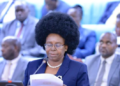
Professor Salim Abdool Karim, who chairs the ECG, said the outbreak’s cross-border nature and the operational difficulties in affected areas require immediate and coordinated action at the continental level. Ebola is a highly dangerous disease spread through direct contact with infected bodily fluids, contaminated materials, or infected deceased persons. Health officials continue to emphasize early detection, isolation, contact tracing, infection prevention, and safe burial practices as critical measures to stop transmission.